Learn More
Plain answers to the questions patients ask before treatment, written to make your consultation with Dr. Bhoompalli more useful.
Implants vs. dentures: which option fits your needs?
Dental implants · Reviewed September 2026
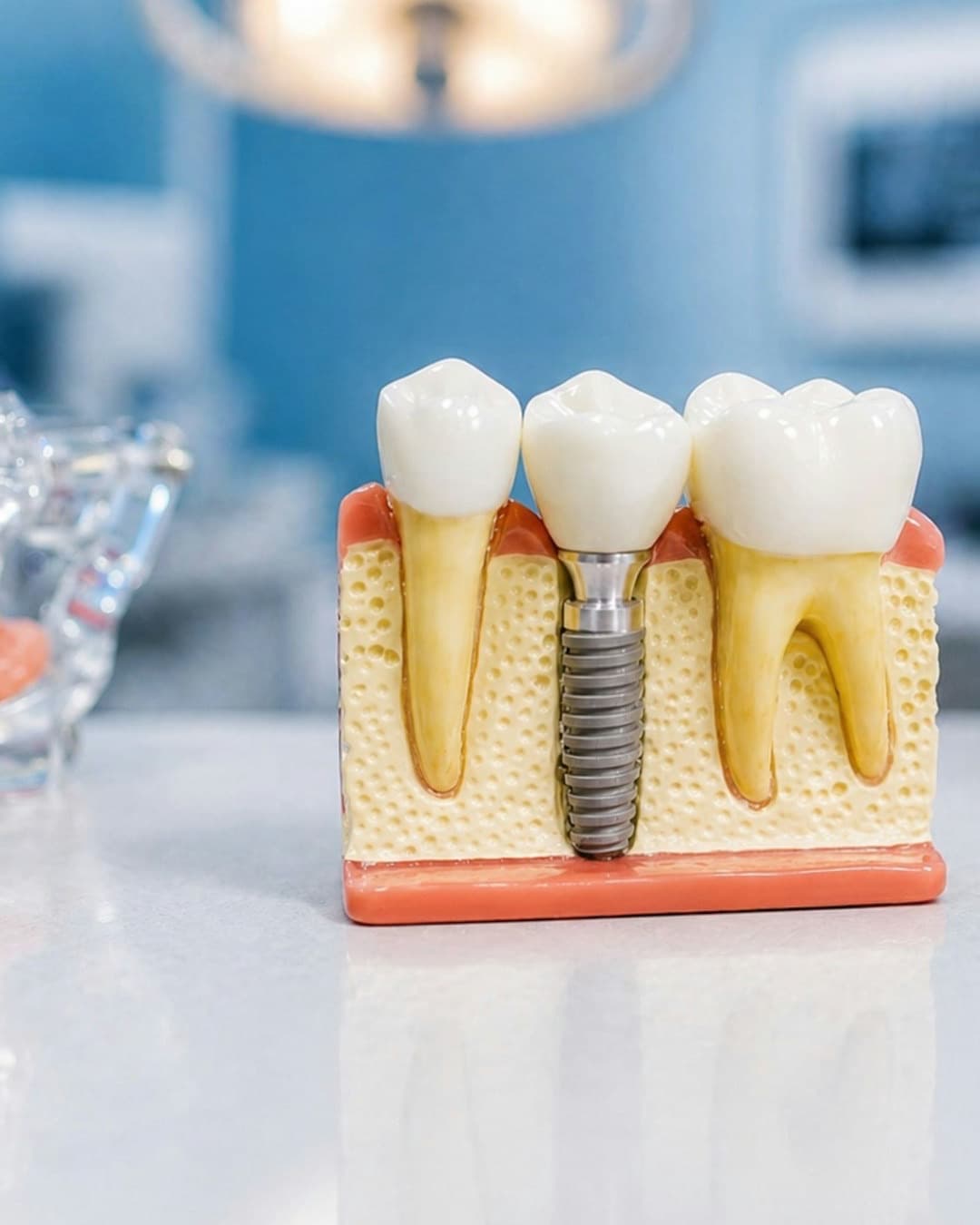
Dental implants suit people who want teeth anchored to the jaw and can undergo surgery; conventional dentures replace missing teeth without implant surgery. The useful comparison is stability, healing, cleaning, and the complete treatment plan, not simply whether one option is described as permanent.
What should a dental implant cost estimate include?
Dental implants · Reviewed September 2026
A dental implant estimate should explain the implant post, the abutment that connects it to the replacement tooth, and the final crown. Ask whether imaging, preliminary treatment, temporary teeth, and follow-up visits are included so you can compare the full route to a usable tooth.

Snap-in or fixed implant teeth: what is the difference?
Implant-supported dentures · Reviewed September 2026
Snap-in implant dentures are removed by the patient for cleaning; fixed implant teeth stay attached until a dental professional removes them. Both use implants, but cleaning access, hand dexterity, available space, and repair needs can matter as much as the desire for teeth that stay in place.
Can implants help when a lower denture keeps slipping?
Implant-supported dentures · Reviewed September 2026
Implants may improve the retention of a lower denture that moves during eating or speaking, but a slipping denture first needs a fit assessment. A reline, adjustment, or replacement may be appropriate; implant treatment is a separate decision that requires examination of the gums, bone, and medical history.
Do you need a crown or another filling?
Dental crowns · Reviewed September 2026
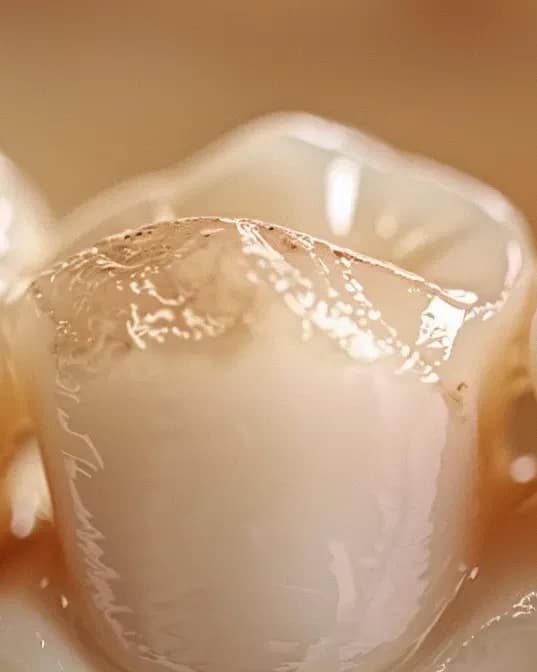
A filling repairs a localized defect; a crown covers a tooth when the remaining structure needs greater protection. The decision depends on how much sound tooth remains, where it is weakened, and how your bite loads it. A large filling alone does not automatically mean every tooth needs a crown.
What changes the cost of a dental crown in Duluth?
Dental crowns · Reviewed September 2026
A crown estimate should specify the tooth, crown material, preparation, temporary restoration if used, and final fitting. The total can change when the tooth needs a build-up or treatment inside the root first. Ask for those items separately rather than treating every crown quote as an identical service.

Invisalign or braces: which fits your daily routine?
Invisalign · Reviewed September 2026
Invisalign may suit someone who wants removable aligners and can wear them consistently; fixed braces stay attached and reduce reliance on remembering to replace trays. The appropriate choice also depends on the required tooth movements and bite correction. Appearance alone cannot establish which treatment will work for you.
What should an Invisalign quote include?
Invisalign · Reviewed September 2026
An Invisalign quote should describe the planned treatment scope, records, monitoring visits, additional aligners if needed, and retainers after active treatment. A discount does not reveal the total cost. Ask which items are included and what circumstances would create a separate charge before comparing offers.

Veneers or bonding: which fits the change you want?
Dental veneers · Reviewed September 2026
Bonding is often considered for a small chip or limited shape change; veneers may suit a broader change to the front surfaces of teeth. The decision should compare tooth preparation, appearance, repairability, and your bite. Healthy tooth structure deserves consideration before choosing the more extensive cosmetic option.
How should you compare veneer costs per tooth?
Dental veneers · Reviewed September 2026
Compare veneer estimates by the number of teeth, material, preparation, laboratory work, temporary coverings, and final fitting. A per-tooth price is only meaningful when those details match. Ask whether other treatment must come first and what happens if a veneer later needs repair or replacement.

In-office or take-home whitening: which should you choose?
Teeth whitening · Reviewed September 2026
In-office whitening suits people who prefer treatment administered at a dental appointment; dentist-supervised take-home whitening spreads treatment over a prescribed home schedule. Both use bleaching agents on natural teeth. Choose by your starting shade, sensitivity history, and ability to follow instructions rather than expecting a guaranteed number of shades.
Can you whiten teeth if you have crowns or fillings?
Teeth whitening · Reviewed September 2026
You may be able to whiten your natural teeth when you have crowns or fillings, but those restorations will not bleach to match. An examination should identify the visible materials and your desired shade before treatment. Otherwise, whitening can make an existing color difference more noticeable.

Root canal or extraction: can your tooth be saved?
Root canal therapy · Reviewed September 2026
Root canal treatment can preserve a tooth with inflamed or infected internal tissue when the tooth can still be restored. Extraction removes the tooth. The decision depends on the remaining structure, cracks, and supporting tissues, not simply how much the tooth hurts or which procedure has the lower initial fee.
Does a root canal quote include the final crown?
Root canal therapy · Reviewed September 2026
A root canal quote does not necessarily include the final crown or filling. Ask for the cost of treating the canals and the cost of restoring the tooth afterward. The full plan should also identify the treating provider, required records, and any temporary stage between appointments.
Dental bridge or implant for one missing tooth?
Dental bridges · Reviewed September 2026
A traditional bridge uses neighboring teeth for support; an implant replaces the missing tooth's root and supports a separate restoration. The condition of the adjacent teeth is a major decision point. A bridge may be reasonable when those teeth already need crowns, while healthy neighbors deserve careful consideration before preparation.
What should a dental bridge estimate specify?
Dental bridges · Reviewed September 2026
A dental bridge estimate should name the missing teeth being replaced, the supporting teeth or implants, the material, and the complete restoration. Ask whether preparation, temporary treatment, and final placement are included. A price for a single component does not describe the cost of a finished bridge.
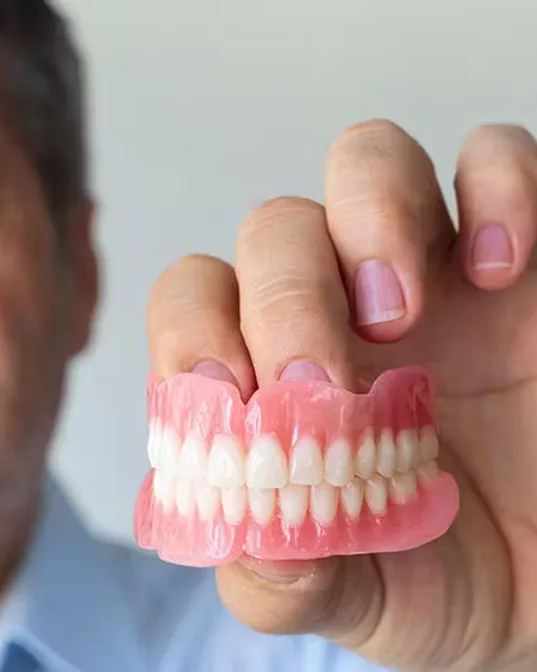
Partial or full dentures: which teeth need replacing?
Dentures · Reviewed September 2026
A partial denture replaces some missing teeth while natural teeth remain; a full denture replaces all teeth in an upper or lower arch. The choice follows the condition of the remaining teeth. A request for dentures should begin with an examination of what can reasonably be retained.
What should a denture price include beyond the teeth?
Dentures · Reviewed September 2026
A denture estimate should say whether it covers an upper arch, a lower arch, or both, and whether the appliance is immediate, conventional, partial, or implant-retained. Ask separately about extractions, adjustments, relines, and replacement during healing. The phrase “complete set” needs a clear definition before you compare prices.

Can bonding repair a chipped front tooth?
Dental bonding · Reviewed September 2026
Dental bonding can repair a small front-tooth chip when enough sound tooth remains and the bite supports the repair. A deeper fracture, substantial missing structure, or injury involving the inside of the tooth may need different treatment. The first step is assessing the damage, not choosing a resin color.
What affects the cost of composite bonding?
Dental bonding · Reviewed September 2026
Composite bonding cost reflects the number of teeth, the size and position of the repair, and the shaping needed to achieve the proposed result. A small edge repair and reshaping several front teeth are different services. Ask for a tooth-by-tooth plan rather than relying on a generic per-tooth range.
Does an early cavity need a filling or monitoring?
Dental fillings · Reviewed September 2026
Early mineral loss may be managed without a filling when the tooth surface remains intact, but a cavity with a hole usually needs restoration. The dentist must assess the lesion's condition and your decay risk. Waiting for pain is not a reliable way to decide when treatment is needed.
What is a tooth-colored restoration, and what affects its cost?
Dental fillings · Reviewed September 2026
A tooth-colored restoration often means a composite filling that repairs damaged tooth structure while blending with the tooth's shade. Its cost depends on the tooth, number of surfaces, and extent of the repair. Ask whether the estimate is for a filling, bonding, or another restoration before comparing fees.

Deep cleaning or regular cleaning: why are they different?
Periodontal treatment · Reviewed September 2026
A regular cleaning maintains oral health; scaling and root planing treats deposits below the gumline when periodontal disease calls for deeper treatment. The choice should follow gum measurements and evidence of disease. Bleeding gums alone do not establish that every patient needs the same type of cleaning.
Why might you need maintenance after a deep cleaning?
Periodontal treatment · Reviewed September 2026
Periodontal maintenance helps monitor and manage gum health after treatment; it is not automatically replaced by a routine cleaning once symptoms improve. The interval depends on your disease history and current findings. Ask what the follow-up visit will assess and why that schedule is recommended for you.

What happens at a cleaning after years away from the dentist?
Dental cleanings and exams · Reviewed September 2026
After a long gap, book an examination and cleaning assessment rather than assuming a basic cleaning will cover everything. The dentist needs to check your teeth and gums before choosing the type of cleaning. The time since your last visit does not, by itself, determine which treatment you need.
How do you book a dental cleaning without insurance?
Dental cleanings and exams · Reviewed September 2026
You can request a dental examination and cleaning estimate without dental insurance. Ask whether the quoted appointment includes the exam, any indicated X-rays, and a basic cleaning, and what happens if a different cleaning is diagnosed. A promotional package should not substitute for an explanation of the care you need.
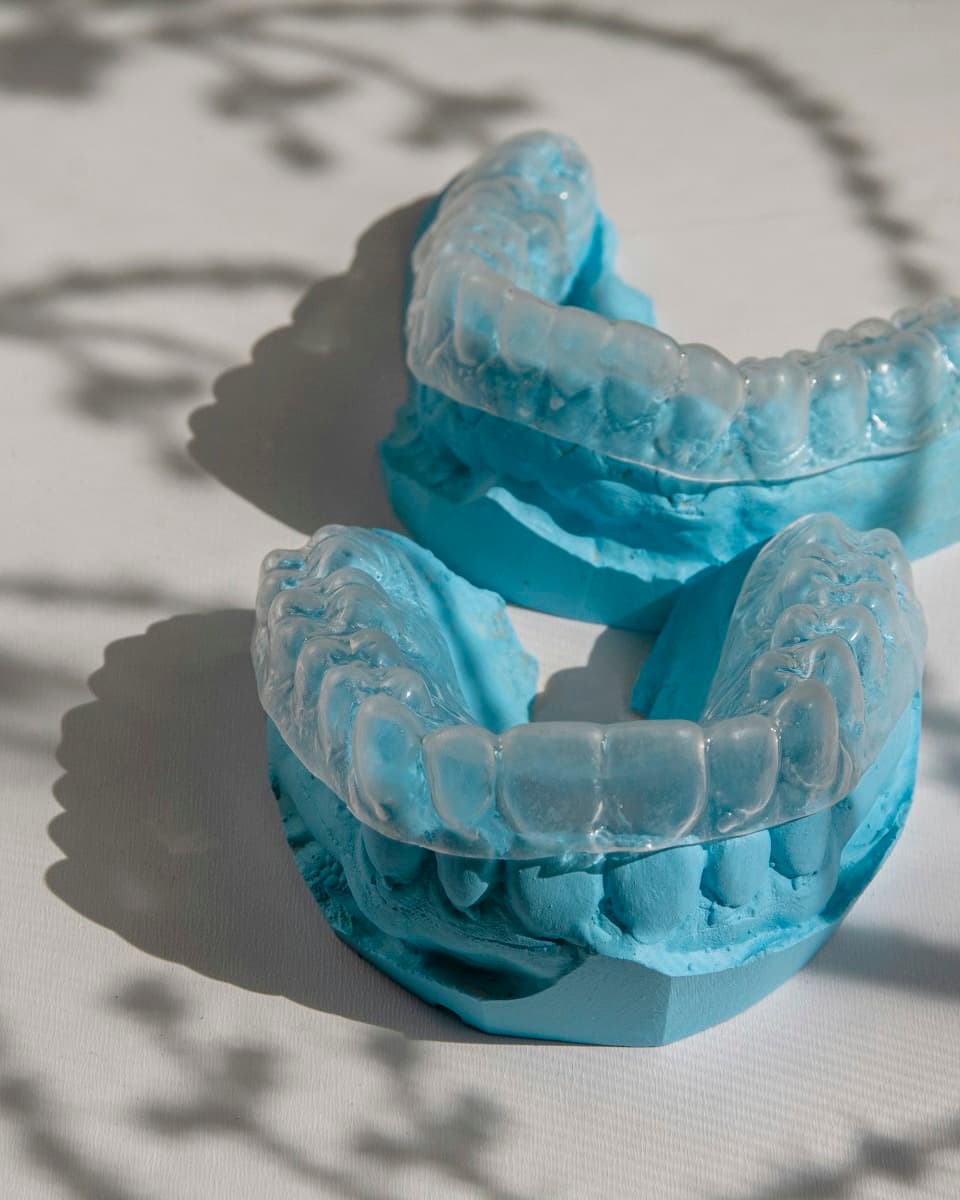
Custom night guard or store-bought guard: what should you compare?
Night guards · Reviewed September 2026
A custom night guard includes a dental assessment and a fit designed for your mouth; a store-bought guard does not provide that assessment. Compare fit, bite contact, comfort, and follow-up. A guard can protect teeth from grinding damage, but it does not establish the cause of every jaw symptom.
Should a night guard be part of your crown or veneer plan?
Night guards · Reviewed September 2026
A night guard may be appropriate when grinding or clenching threatens teeth and restorations, but it is not required automatically after every crown or veneer. The dentist should look for wear, damage, and symptoms, then explain the purpose of the proposed appliance. Protection does not make a restoration unbreakable.
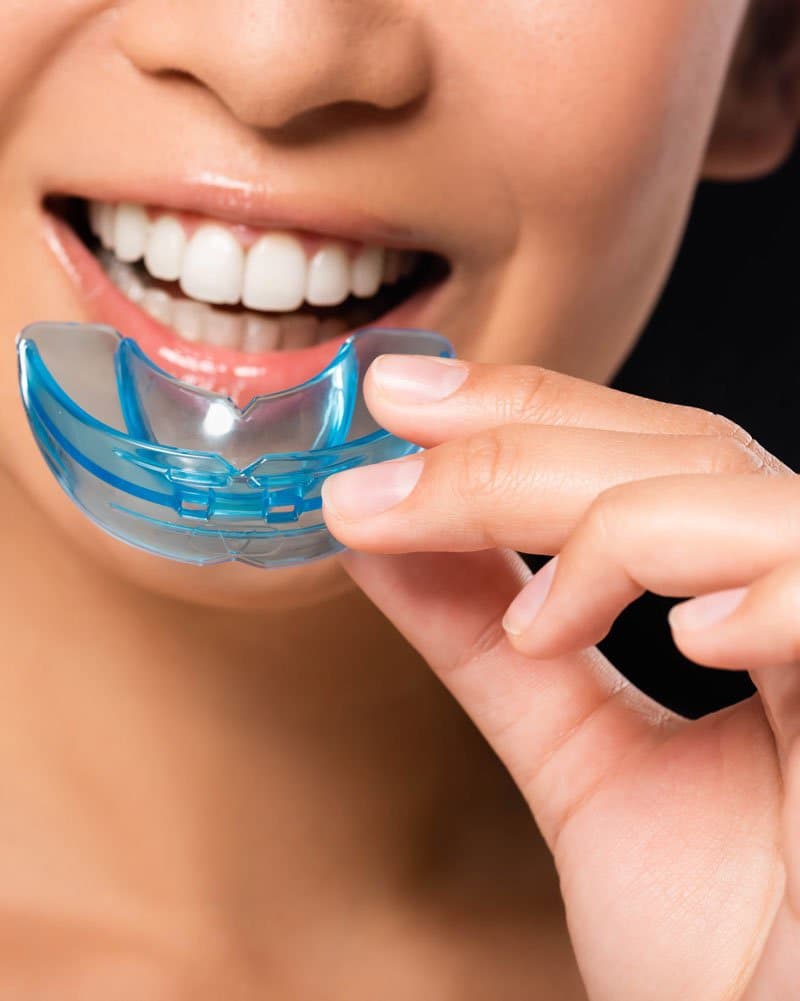
Custom sports mouthguard or boil-and-bite: which fits your sport?
Sports mouth guards · Reviewed September 2026
A custom sports mouthguard is made for your mouth; a boil-and-bite guard is molded at home according to its instructions. Both need to fit well enough to be worn consistently. Compare retention, breathing, speech, and compatibility with dental work rather than choosing only by color or advertised thickness.
Can you wear a sports mouthguard with braces or aligners?
Sports mouth guards · Reviewed September 2026
People with braces or aligner treatment may still need a sports mouthguard, but the appliance must accommodate their orthodontic care. Ask the treating dentist or orthodontist which guard to use and how to manage aligners during sport. An orthodontic tray should not be assumed to provide impact protection.
General information, not dental advice. For a plan built around your own mouth, call Johns Creek Family Dentistry at 770-814-7600.