Chipped or Worn Front Teeth
Rebuild an edge, from a quick fix to a full cover. Here is what is usually going on, how each treatment fixes it, and how to choose between them.
- treatments to weigh, from the smallest fix to the most durable
- 3
- new patient exam and x-rays to find out which one fits
- $99
- patient comfort is the number one priority
- Nothing in pain
What’s going on?
A chipped front tooth is hard to ignore. You feel the sharp corner with your tongue, you see it every time you check a mirror, and it shows up in photos. Worn teeth creep up more slowly. Edges that used to be rounded go flat or ragged, and a smile line that once matched no longer does. Neither problem stays put on its own. A small chip can catch and grow the next time you bite into something hard, and an edge worn short can expose the softer layer inside the tooth. Fixing it early keeps the repair small.
The right repair depends on three things: how much tooth is missing, how many teeth are involved, and whether whatever caused the damage is still going on. A corner knocked off in a fall is a one-time event. Edges worn flat by nightly grinding will wear the repair down too unless the grinding is handled, usually with a custom night guard. Dr. Bhoompalli looks at the tooth, checks how your bite comes together, and tells you plainly which of the three fixes fits. If you are weighing veneers, that consultation is free.

Sound familiar?
Book a consultation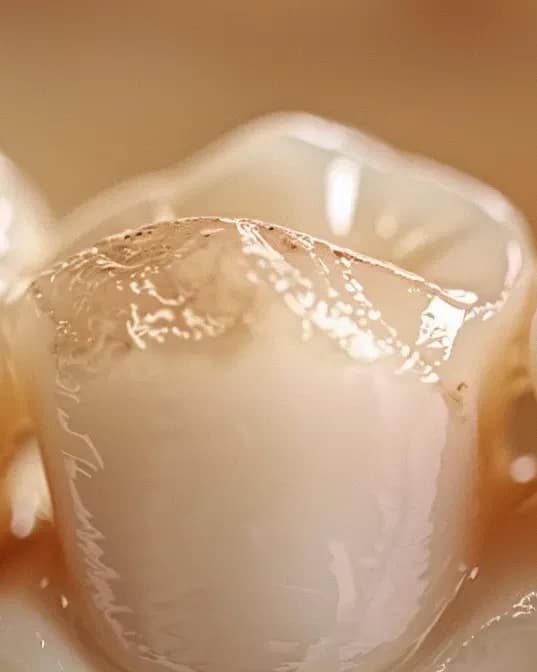
Rebuild the edge, or cover the tooth
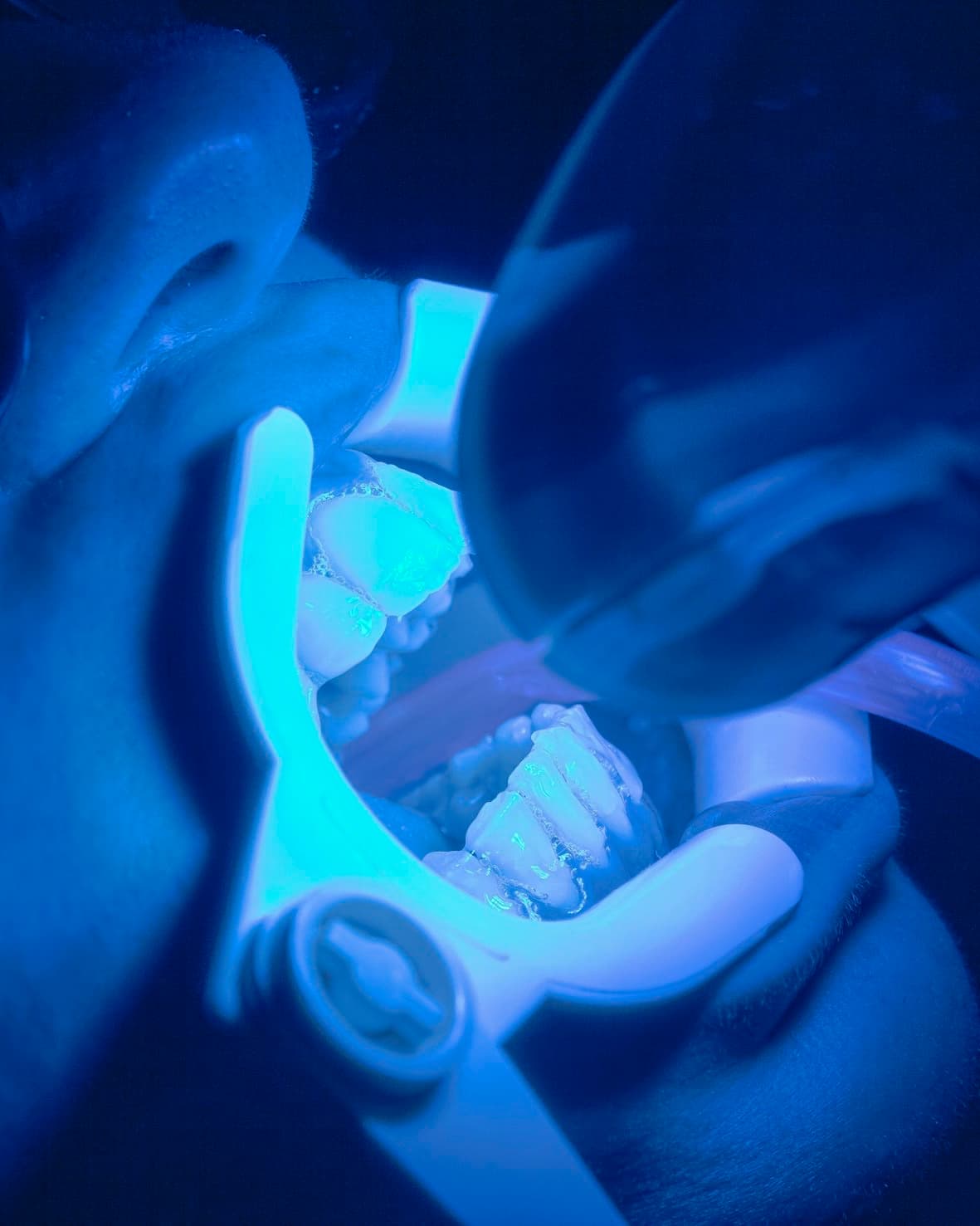
Dental bonding is the smallest fix and the one we consider first. Tooth-colored composite resin goes on soft, so Dr. Bhoompalli can sculpt it to rebuild a chipped corner or even out a worn edge right on the tooth. A curing light hardens it in seconds, and the surface is trimmed and polished until it blends with the enamel around it. It is done in one visit, with no lab and no temporary. Because little or no enamel is removed, most cases need no numbing, and the bonding can be replaced or upgraded to a veneer or crown later without harming the tooth.
Dental veneers take over when several front teeth are chipped or worn and you want them to match. A veneer is a thin shell, usually porcelain, bonded to the front surface of the tooth. It restores the length of an edge worn short and sets the color and shape of the tooth in one step, so the whole smile line can be evened out at once. Porcelain veneers are made in a lab and take two visits a few weeks apart. Composite veneers are sculpted on the tooth and finished in a single appointment. Either way, Dr. Bhoompalli checks your bite first so the veneers will not be worn down.
Dental crowns are for the chip that has taken a large part of the tooth, or a tooth worn so far that a shell on the front would not have enough to hold on to. A crown is a custom cap over the whole visible part of the tooth, so it rebuilds the height of a worn tooth and holds what is left together. For front teeth, porcelain or ceramic matches the color of the neighbors. Crowns take two visits, with a temporary in between. Dr. Bhoompalli checks how the new crown meets the opposite tooth before you leave, because a crown that sits even slightly high will hurt.
Time, cost, and how much tooth you keep
Bonding wins on speed and cost. One visit, $300 to $600 per tooth, and typically several years of wear with good care. Resin is not as hard as porcelain, so biting fingernails, ice, or pen caps is the usual reason a bonded edge chips again, and it can pick up a little stain over time. The upside is that a touch-up is a single short visit. If you are planning to whiten, do it first, since bonding is matched to your teeth as they are. For one chip on an otherwise healthy tooth, can bonding repair a chipped front tooth answers the questions we hear most.
Veneers cost more and last longer. Porcelain runs $1,000 to $2,500 per tooth and typically lasts 10 to 15 years while resisting coffee, tea, and wine stains. Composite veneers run $300 to $1,000 per tooth and last closer to 5 to 7 years. The trade is enamel: a thin layer is removed so a porcelain veneer sits flush, and that tooth will always need a covering afterward. That is why we talk through bonding first when it would get you there. Insurance usually does not cover veneers, though some plans make an exception for a chipped tooth. Veneers versus bonding lays the two side by side.
Crowns run $800 to $1,500 depending on the material and last 5 to 15 years, and most dental plans cover a portion when the crown restores a damaged tooth. They also remove the most enamel, which is why Dr. Bhoompalli recommends one only when a smaller repair will not hold. Whatever you choose, if the wear came from grinding, a custom night guard protects the new edge while you sleep. The consultation settles the rest: how much tooth is left, how many teeth are involved, and which fix keeps the most of your own tooth. Nothing is done in pain, and financing and an in-house membership plan are available.
The treatments we reach for.
Listed from the smallest fix up. Your exam decides which actually fits your mouth, your budget, and your patience.
Book a consultation Where to start
Dental Bonding
A small chip or a worn edge is rebuilt with composite in one visit, no drilling to speak of.
Option 2Dental Veneers
Several chipped or worn front teeth are better covered together so the smile line matches.
Option 3Dental Crowns
When a chip has taken a large part of the tooth, a crown protects what is left.
Where to next?
Common question
Can bonding repair a chipped front tooth?
Find out when bonding may repair a chipped front tooth and what damage needs assessment before cosmetic treatment.
Read the answer
Common question
Veneers or bonding: which fits the change you want?
Compare veneers and bonding by tooth preparation, repairability, appearance, and bite requirements.
Read the answer
Related concern
Cracked or Broken Tooth
Hold the tooth together before it splits
Explore the concern
Bring the Concern.
Leave With a Plan.
Prefer to talk? Call 770-814-7600 during office hours.
Medically reviewed by Dr. Madhavi Bhoompalli, DDS, dentist and owner at Johns Creek Family Dentistry. Last reviewed September 2026. This page is for education and is not a substitute for an examination by a licensed dentist.